
A Blog
digital musings.
Lazarus Biology
tags: plant physiology - germplasm recoveryI’ve been exploring Resurrection Biology (or “Lazarus” Biology) - a hip-sounding pop-science label for reviving organisms from dormancy. This isn’t new - viable seeds have been germinated after thousands of years - but defining the “form” helps to concretize the concept.
A good example of this is the resurrection plant, a desert specialist capable of surviving near total desiccation for years.
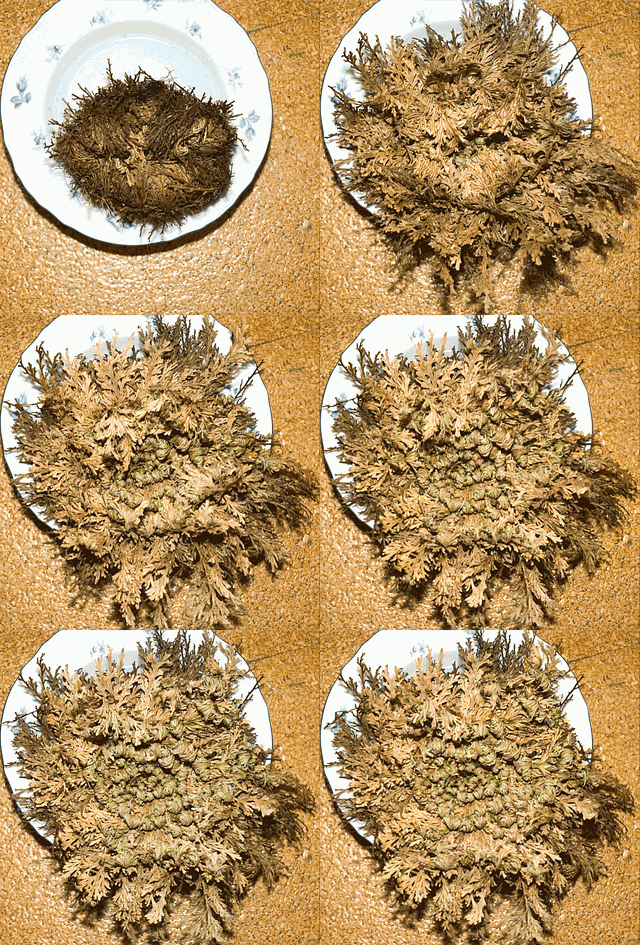
Beyond physical desiccation, chemical dormancy can also be broken. Revitalizing old seeds using Gibberellic Acid (GA3) triggers germination by mimicking the plant’s natural growth signals.
The most interesting part about this is not the chemical itself but its discovery. It starts in the 1930s with a fungal disease affecting rice plants in Japan, colloquially known as Foolish Seedling Disease. The fungus, Gibberella fujikuroi, induces an overproduction of gibberellic acid in the host - causing it to grow excessively tall, spindly, and weak.
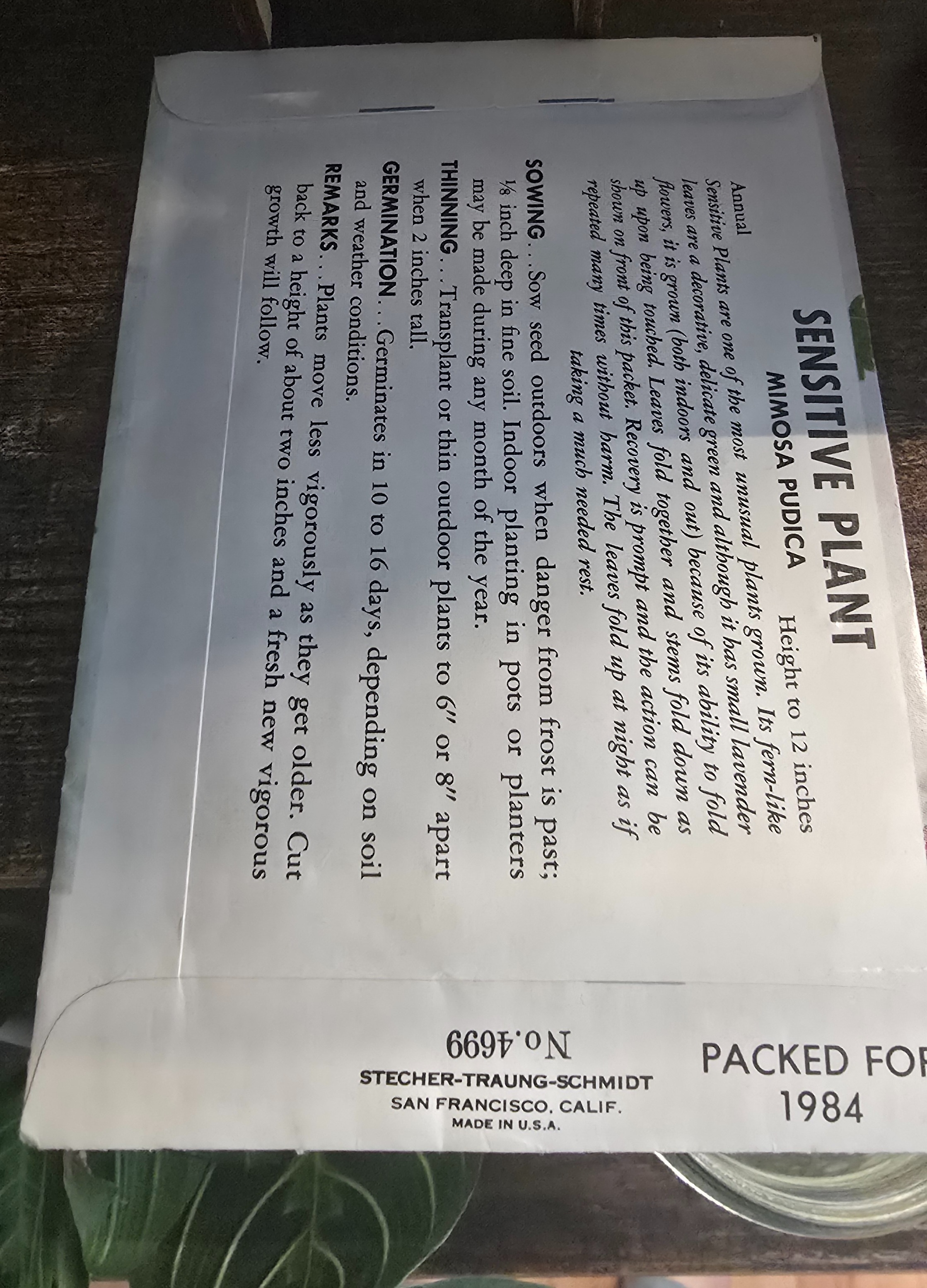
While a foolish trait for a rice farmer, it is a useful tool for horticulturists. My Mimosa pudica seeds are likely non-viable now, but understanding the phytohormone logic is vital for future micropropagation experiments.